KhetiVidyaहिंदी
All crops

Cereal · Poaceae (grass family)

Oats

Jai · जई · Avena sativa

Soft, juicy winter fodder that keeps milk flowing.

In North India oats are grown mainly as green fodder for milch animals from December to March, when green feed is short. Multi-cut varieties give two or three cuttings; the crop can also be left to ripen for grain or seed.

Sowing
10 Oct – 15 Nov
Harvest
10 Dec – 15 Apr
Duration
120–140 days
Yield
182–243 q/acre
450–600 q/ha
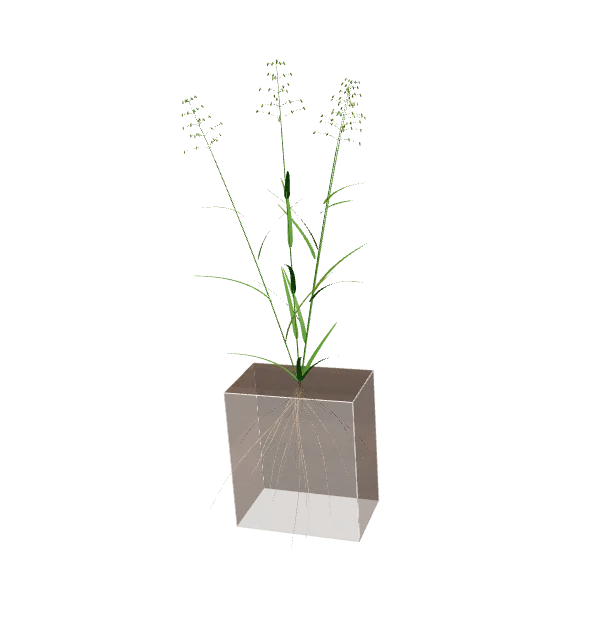
Oats plant with its roots, in a glass tank

Panicle emergence and flowering · roots shown through the soil

At a glance

Oats in one look

A cool-season crop that keeps growing through winter. Frost slows it; hot weather from March ends regrowth.

Sowing time

10 Oct – 15 Nov

Harvest

10 Dec – 15 Apr

120–140 days from sowing

Temperature

15–25 °C to grow

18–25 °C at sowing

Soil

Loam and clay loam are best; grows on most well-drained soils

pH 5.5–8

Seed rate

30–40 kg/acre

75–100 kg/ha

Spacing

22.5 cm rows

3–5 cm deep

Irrigations

3–5

3 critical stages

Yield

182–243 q/acre

450–600 q/ha

Season

AugSepOctNovDecJanFebMarAprMayJun
Grown most inPunjabHaryanaUttar PradeshRajasthanMadhya PradeshBihar

Avoid waterlogged fields. Responds strongly to manure and nitrogen.

Seed to harvest

Watch oats grow, stage by stage

Scroll through the season. The plant in the glass tank grows to each stage — roots and all — and every card says what the crop is doing and what you should do in the field that week.

Oats plant with its roots, in a glass tank

Stage 1 of 8

Sowing

Day 0–4

  1. 1Day 0–4

    Sowing

    Seed absorbs moisture and swells.

    Your job · Sow treated seed in moist soil with basal fertiliser.

  2. 2Day 5–10

    Germination

    Roots go down and the first leaf comes up.

    Your job · Check the stand.

  3. 3Day 11–25

    Seedling

    Several leaves form and crown roots develop.

    Your job · First irrigation around 20–25 days. Hoe if weeds come up.

  4. 4Day 26–60

    Tillering — first cut

    Many tillers make a thick, leafy crop.

    Your job · Take the first cut at 55–60 days, 8–10 cm above ground. Irrigate and top-dress nitrogen right after.

  5. 5Day 61–90

    Regrowth and later cuts

    New shoots grow from the stubble.

    Your job · Take the next cut after 40–45 days of regrowth; repeat nitrogen and irrigation.

  6. 6Day 91–105

    Panicle emergence and flowering

    Open, drooping panicles emerge and flower.

    Your job · Single-cut fodder is best cut at 50 % flowering. For a seed crop, stop cutting after the first cut.

  7. 7Day 106–125

    Grain filling

    Grains in the spikelets fill and harden.

    Your job · One light irrigation if the soil is dry.

  8. 8Day 126–140

    Maturity

    Panicles and stems turn golden; grains are hard.

    Your job · Harvest the seed crop promptly to avoid shattering.

The seed

Good seed is half the harvest

Use certified seed of a variety bred for your region, at the right rate, and treat it before sowing.

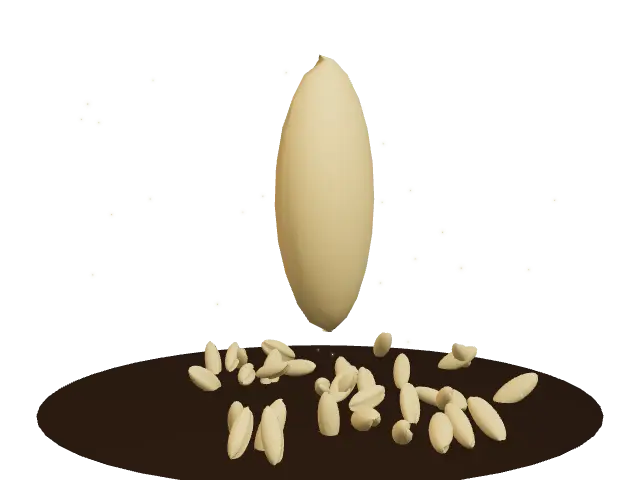
Oats seeds, close up

One grain

≈ 10 mm

Seed rate

30–40 kg/acre

75–100 kg/ha

1000-seed weight

—

Recommended varieties

KentWidely grown fodder oat; tall, leafy and suited to multiple cuts.
OL 9PAU fodder variety for Punjab.
OS 6HAU fodder variety for single-cut green fodder.
JHO 822IGFRI, Jhansi variety for green fodder.
UPO 212GBPUAT, Pantnagar multi-cut fodder variety.

Seed treatment

  1. 1Treat seed with a recommended fungicide seed dressing against smut, as per label / your KVK.

Field & sowing

Prepare the land, then sow at the right gap and depth

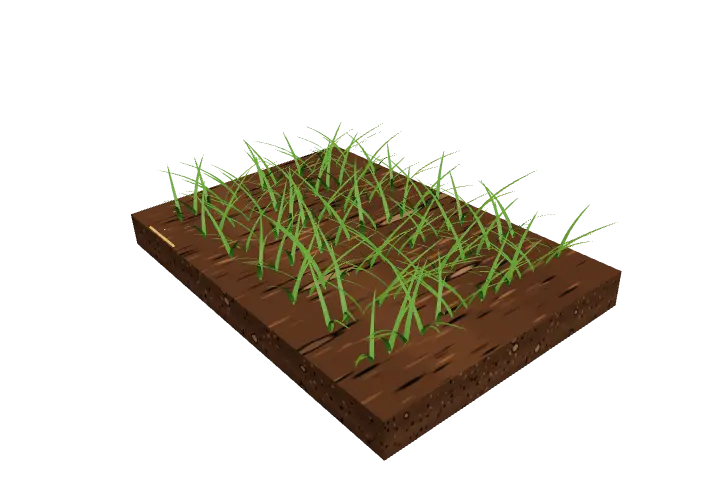
Line sowing with a drill, or broadcasting in a well-prepared field

A Oats field, showing rows and spacing

Layout

Flat beds

Row to row

22.5 cm

Plant to plant

—

Depth

3–5 cm

Land preparation

  1. 1Plough and give 2 harrowings and planking for a fine seedbed.
  2. 2Give a pre-sowing irrigation if the field is dry.
  3. 3Mix well-rotted farmyard manure during land preparation.

Sowing, step by step

  1. 1Sow in moist soil with a drill in rows 20–25 cm apart, or broadcast and cover with a light planking.
  2. 2For a steady supply, sow in two or three lots a fortnight apart.
  3. 3Keep seed 3–5 cm deep.

Feeding the crop

How much fertiliser, and when

These are the standard doses for a medium-fertility field. Your Soil Health Card can raise or lower them — test first, then feed.

Nutrient dose

Nitrogen (N)32 kg/acre · 80 kg/ha
Phosphorus (P₂O₅)16 kg/acre · 40 kg/ha
Potassium (K₂O)8.1 kg/acre · 20 kg/ha

Plus 10 t/ha (4 t/acre) of well-rotted farmyard manure or compost.

When to apply

  1. 1At sowing: half the nitrogen with full phosphorus and potash.
  2. 2Multi-cut crop: remaining nitrogen in parts after each cut, followed by irrigation.
  3. 3Single-cut crop: remaining nitrogen at about 25–30 days with irrigation.

Bags for your field

For 1 acre of Oats

What to buy

Urea

1.5

bags · 57 kg

DAP

0.5

bags · 35 kg

MOP

0.5

bags · 13 kg

Nutrients in it: N 32 kg · P₂O₅ 16 kg · K₂O 8.1 kg

Also add farmyard manure or compost: 4 t

  • Don't put it all in at once: follow the timing on the Oats page.
  • Your Soil Health Card can raise or lower these amounts. If you have one, follow it.
  • Using SSP, NPK complexes or gypsum instead changes these amounts; the nutrient dose is what matters.

Not yet checked against a package of practices. Confirm the dose with your KVK before you buy.

Urea has 46 % N; DAP 18 % N and 46 % P₂O₅; MOP 60 % K₂O. Urea comes in 45 kg bags, DAP and MOP in 50 kg.

Water

3–5 irrigations — never miss the critical ones

A crop forgives a late irrigation at some stages and punishes it at others. These are the days that decide yield.

Day 25
Day 60
Day 90
SowingDay 140

Critical irrigations

  1. Day 25Early tillering
  2. Day 60After first cut
  3. Day 90Panicle emergence

Watering tips

  1. 1Irrigate right after every cutting along with nitrogen so regrowth is quick.
  2. 2Light, regular irrigations give more leafy fodder than a few heavy ones.

Protection

Weeds, pests and diseases to watch for

Walk the field every week. Most problems are cheap to stop early and expensive to fix late. For any spray, follow the label dose and check with your KVK.

Pest

Aphids

Signs · Colonies of small green insects on leaves; leaves curl and turn yellow.

Manage · Ladybird beetles usually manage them. Avoid chemical sprays on a fodder crop close to cutting; if needed use only a recommended product with its waiting period, as per label / your KVK.

Disease

Leaf blight

Signs · Brown spots and streaks on leaves that later dry from the tips.

Manage · Use healthy treated seed and resistant varieties; cut the fodder a little early if blight spreads.

Disease

Crown rust

Signs · Orange powdery spots on leaves late in the season.

Manage · Grow tolerant varieties and harvest fodder on time.

Pest

Termites

Signs · Plants dry in patches on light soils.

Manage · Use rotted manure only and irrigate on time.

Disorder

Poor regrowth after cutting

Signs · Few new shoots appear after the first cut.

Manage · Cut 8–10 cm above the ground (not at ground level) and give nitrogen and irrigation right after cutting.

Disorder

Lodging

Signs · Tall, heavy crop falls flat, especially in the seed crop after wind or irrigation.

Manage · Avoid excess nitrogen in seed crops and don't irrigate on windy days.

Weeds

Common · Bathua, wild oat, senji, krishna neel

  1. 1A dense crop smothers most weeds.
  2. 2One hoeing 25–30 days after sowing in line-sown crops.

Harvest

Harvest on time, dry it well, store it safe

A good crop gives

182–243q/acre

450–600 quintal per hectare

Green fodder over all cuts. A seed crop gives about 20–25 q/ha of grain.

When is it ready?

  1. 1Fodder: thick, leafy crop at 55–60 days (multi-cut) or at 50 % flowering (single cut).
  2. 2Seed: panicles turn golden and grains are hard.

Harvesting

  1. 1Cut fodder 8–10 cm above the ground so it can regrow.
  2. 2Chaff the fodder and feed it fresh, mixed with dry fodder.
  3. 3Cut the seed crop with a sickle, dry and thresh.

After harvest & storage

  1. 1Surplus green oats can be made into silage or hay for summer.
  2. 2Dry seed to about 12 % moisture and store in clean bins.

Golden rules for oats

  1. 1Sow in lots a fortnight apart for steady green fodder all winter.
  2. 2Never cut at ground level — leave 8–10 cm for regrowth.
  3. 3Top-dress nitrogen and irrigate after every cut.
  4. 4Make silage from surplus to carry green feed into summer.