Disease
Stem rot
Signs · White cottony growth on stems near the ground in cold, humid weeks; plants rot in patches.
Manage · Avoid over-irrigation and waterlogging, rotate crops, and remove rotten patches. Fungicide only on KVK advice.
Fodder · Fabaceae (pea family)
Berseem · बरसीम · Trifolium alexandrinum
The king of winter fodder — cut it five or six times, and it grows back.
Berseem (Egyptian clover) is the main green fodder of North India from December to April. It is soft, protein-rich and boosts milk yield. After each cutting it regrows from the crown, giving 4–6 cuts; the last growth can be left for seed. Being a legume, it also enriches the soil for the next crop.
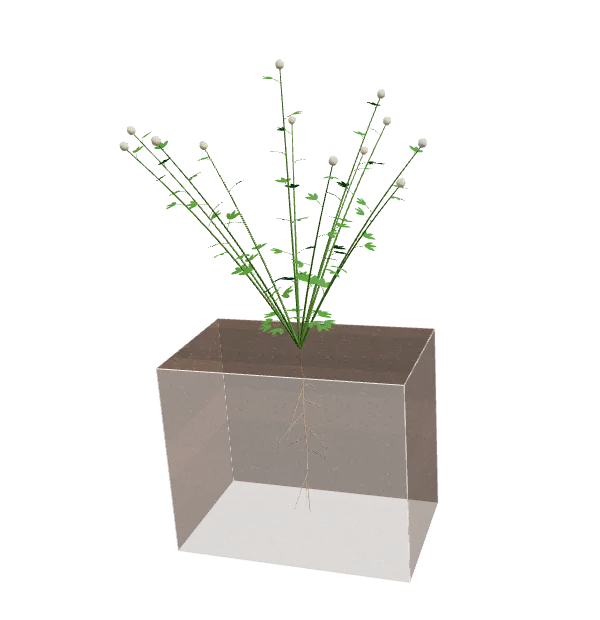
Flowering (seed crop) · roots shown through the soil
At a glance
Sow when days are warm but cooling, around early October. Growth slows in the coldest weeks of December–January and picks up again in February.
Sowing time
25 Sep – 25 Oct
Harvest
25 Nov – 31 May
200–230 days from sowing
Temperature
10–25 °C to grow
20–28 °C at sowing
Soil
Loam to clay loam that holds water well
pH 6.5–8
Seed rate
8.1–10 kg/acre
20–25 kg/ha
Spacing
Broadcast
0–1 cm deep
Irrigations
12–18
7 critical stages
Yield
324–445 q/acre
800–1100 q/ha
Season
Tolerates mildly alkaline soils and helps improve them; does poorly on acid soils. The field must be well levelled.
Seed to harvest
Scroll through the season. The plant in the glass tank grows to each stage — roots and all — and every card says what the crop is doing and what you should do in the field that week.
Stage 1 of 8
Sowing
Day 0–3
Seed broadcast into standing water settles into the slush.
Your job · Let the water soak in; don't drain the beds.
Tiny seed leaves appear across the bed.
Your job · Light irrigation on light soils if the top dries.
Three-leaflet (clover) leaves form; nodules start fixing nitrogen.
Your job · Irrigate every 8–10 days.
Soft, leafy growth covers the ground — ready for the first cut at 50–55 days.
Your job · Cut 5–7 cm above ground so the crown regrows; irrigate right after.
The crop regrows from the crown after every cut — about 35–40 days apart in winter, 25–30 days from February.
Your job · Take 4–6 cuts; irrigate after each. For seed, take the last cut by early March.
White, round flower heads appear on the uncut regrowth.
Your job · Irrigate; keep bee activity; pull out kasni plants.
Heads turn from white to brown as seeds fill.
Your job · Watch for caterpillars; last irrigation.
Heads dry brown and seeds harden.
Your job · Cut, dry and thresh the seed crop in May.
The seed
Use certified seed of a variety bred for your region, at the right rate, and treat it before sowing.
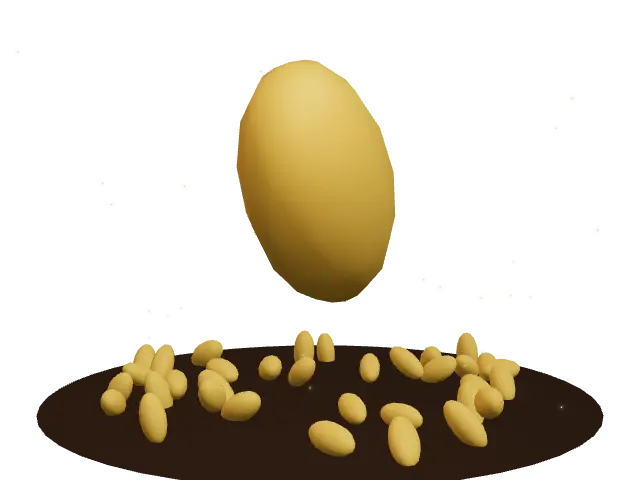
One seed
≈ 2.5 mm
Seed rate
8.1–10 kg/acre
20–25 kg/ha
1000-seed weight
—
Field & sowing
Broadcasting in standing water (wet method)
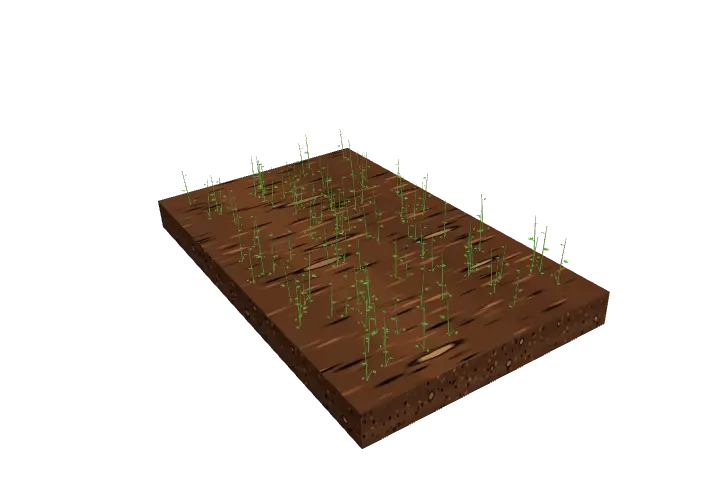
Layout
Broadcast
Row to row
—
Plant to plant
—
Depth
0–1 cm
Feeding the crop
These are the standard doses for a medium-fertility field. Your Soil Health Card can raise or lower them — test first, then feed.
Nutrient dose
Plus 10 t/ha (4 t/acre) of well-rotted farmyard manure or compost.
For 1 acre of Berseem
What to buy
Urea
not needed
DAP
1.5
bags · 66 kg
MOP
not needed
Nutrients in it: N 10 kg · P₂O₅ 30 kg · K₂O 0 kg
Also add farmyard manure or compost: 4 t
Not yet checked against a package of practices. Confirm the dose with your KVK before you buy.
Urea has 46 % N; DAP 18 % N and 46 % P₂O₅; MOP 60 % K₂O. Urea comes in 45 kg bags, DAP and MOP in 50 kg.
Water
A crop forgives a late irrigation at some stages and punishes it at others. These are the days that decide yield.
Protection
Walk the field every week. Most problems are cheap to stop early and expensive to fix late. For any spray, follow the label dose and check with your KVK.
Signs · White cottony growth on stems near the ground in cold, humid weeks; plants rot in patches.
Manage · Avoid over-irrigation and waterlogging, rotate crops, and remove rotten patches. Fungicide only on KVK advice.
Signs · Plants yellow and wilt; roots rotten.
Manage · Good levelling and drainage; crop rotation.
Signs · Green caterpillars eat flower heads and developing seed in March–April.
Manage · Hand-pick where few; spray as per label / your KVK only on the seed crop — never on fodder you will feed.
Signs · Plants stay pale and stunted; roots show few pink nodules.
Manage · Use Rhizobium culture and enough phosphorus, especially in new fields.
Signs · Animals' left side swells after eating large amounts of young, wet berseem.
Manage · Always mix berseem with dry straw (bhusa); don't feed freshly cut wet fodder alone to hungry animals.
Common · Chicory (kasni), whose seed looks like berseem seed, and wild grasses
Harvest
A good crop gives
324–445q/acre
800–1100 quintal per hectare
Green fodder from all cuts. A seed crop gives roughly 4–6 q/ha of seed.